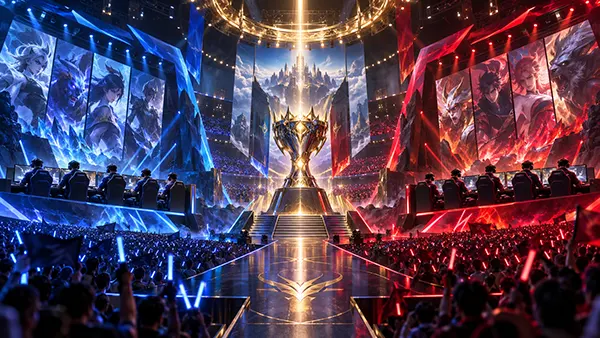
CS2 Singapore Major 2026: Why the Asian Major Could Reshape Competitive Counter-Strike

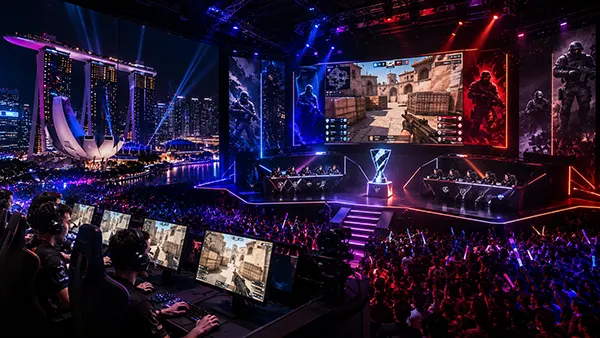
The announcement of the Counter-Strike 2 Major in Singapore for 2026 marked one of the most significant strategic moves in the modern history of esports. For years, the professional Counter-Strike scene revolved mainly around Europe, with occasional large-scale events in North America and Brazil. Southeast Asia, despite having millions of active players and one of the fastest-growing esports audiences in the world, remained outside the core geography of Valve-sponsored Majors. Singapore now changes that equation. The event is expected to influence tournament logistics, regional talent development, sponsorship strategies, broadcasting markets, and even how organisations approach roster construction in the coming years.
Why Singapore Became a Strategic Choice for Valve and Tournament Organisers
Singapore has spent the last decade building a reputation as one of Asia’s most technologically advanced esports destinations. The country offers stable internet infrastructure, modern indoor arenas, strong transport systems, and government-backed support for technology and entertainment sectors. Unlike several neighbouring regions where large-scale esports operations face regulatory or logistical difficulties, Singapore provides predictability for international tournament organisers and teams.
Another important factor is accessibility. Singapore sits at a crossroads between East Asia, Southeast Asia, Oceania, and the Middle East. Flights from Shanghai, Seoul, Tokyo, Sydney, Bangkok, Kuala Lumpur, and Manila are relatively short compared to travel routes to Europe or North America. This reduces travel strain for players and creates opportunities for regional fan attendance that were previously unrealistic for most Asian supporters of Counter-Strike.
The commercial potential also played a major role. Asia has become one of the largest gaming markets globally, with increasing investment from telecommunications companies, financial technology firms, hardware manufacturers, and media groups. Hosting a CS2 Major in Singapore allows Valve and organisers to strengthen relationships with Asian sponsors while opening the Counter-Strike ecosystem to brands that previously focused mainly on mobile esports or League of Legends competitions.
The Importance of Time Zones and Broadcast Expansion
For years, Asian Counter-Strike fans had to follow elite tournaments late at night or early in the morning because most major events were hosted in Europe. A Singapore Major changes the viewing experience dramatically for audiences across China, South Korea, Japan, India, Thailand, Indonesia, and the Philippines. Prime-time broadcasts in Asian regions could significantly increase total viewership numbers for Counter-Strike 2.
Broadcast scheduling also affects sponsorship value. Advertisers generally prefer live events that align with peak regional viewing hours. With Singapore operating in a favourable timezone for much of Asia, brands targeting regional consumers may see stronger returns from CS2 sponsorship campaigns. This could increase future investment into Asian Counter-Strike tournaments, academy systems, and local event circuits.
The timing benefits extend beyond Asia. European audiences are already accustomed to watching esports during afternoon and evening hours, while North American viewers often follow international events during the morning. The Singapore Major therefore avoids some of the extreme scheduling conflicts that affected previous tournaments hosted in non-European regions.
How the Singapore Major Could Accelerate Asian Counter-Strike Development
Counter-Strike has historically struggled to establish long-term dominance in Asia compared to games such as Valorant, League of Legends, Dota 2, or mobile titles. However, the arrival of Counter-Strike 2 introduced renewed interest across several countries. Improved accessibility, updated visuals, and broader social media exposure helped the franchise regain momentum among younger players.
Regional teams from Mongolia, China, and Australia have already demonstrated that Asian Counter-Strike is becoming more competitive. The rise of Mongolian rosters in international tournaments surprised many analysts during 2024 and 2025. Their aggressive playstyle and disciplined team structure proved that the region could produce world-class tactical FPS talent when supported by proper infrastructure and international exposure.
The Singapore Major may encourage organisations to invest more aggressively in scouting and development systems across Asia. International clubs could begin building academy projects in countries such as Thailand, Vietnam, Malaysia, and Indonesia, where large player bases already exist. Access to local LAN events and improved regional visibility often creates a pathway for new talent to enter professional ecosystems.
Could Asia Produce a Major Champion in the Future?
At present, European teams still dominate elite Counter-Strike competition. Their experience, tactical depth, coaching structures, and established tournament ecosystems remain unmatched. However, esports history shows that regional dominance can shift faster than many expect. South America experienced a major rise in Counter-Strike during the late 2010s, eventually producing internationally respected champions and elite players.
Asia may follow a similar trajectory if infrastructure investment continues. Stronger domestic leagues, more LAN opportunities, better practice environments, and increased international scrim access could narrow the gap between Asian and European organisations. Singapore hosting a Major provides symbolic legitimacy that regional investors and organisations have wanted for years.
Another factor is player migration. Several organisations already recruit talent internationally rather than relying only on domestic line-ups. If Asian players gain more exposure during the Singapore Major cycle, European and North American clubs may become more willing to sign players from emerging regions. That process alone could accelerate tactical and individual skill development across Asia.
The Long-Term Impact on the Global Counter-Strike Ecosystem
The Singapore Major is not simply another tournament stop. It represents a broader shift in how Counter-Strike positions itself as a global esport. Valve spent years focusing primarily on traditional competitive regions, but modern esports economics increasingly depend on international audience expansion. Asia offers enormous commercial potential that Counter-Strike can no longer ignore.
This decision could influence future tournament calendars as well. If the Singapore Major delivers strong attendance figures, stable production quality, and high global viewership, organisers may push for more Tier 1 tournaments across Asia. Countries such as Japan, South Korea, and the United Arab Emirates have already demonstrated growing interest in hosting major esports competitions with substantial financial backing.
There is also a competitive balance factor. Constant European scheduling often benefits teams already located within the region. Expanding premier events internationally forces organisations to adapt to broader travel demands, unfamiliar environments, and different audience pressures. This can reshape preparation methods and reduce structural advantages enjoyed by established European line-ups.
Why the 2026 Major May Be Remembered as a Turning Point
Some Majors are remembered because of legendary finals or iconic player performances. Others become historically important because they redefine the direction of an esport. The Singapore Major has the potential to belong to the second category. Its significance reaches beyond trophy results and highlights a changing competitive landscape for Counter-Strike 2.
If the event succeeds commercially and competitively, it could trigger a wider redistribution of esports investment toward Asian Counter-Strike ecosystems. More sponsors, training facilities, media partnerships, and local tournaments would likely follow. That type of growth cannot happen overnight, but landmark events often serve as catalysts for larger structural changes.
By 2026, Counter-Strike 2 will already be competing in a crowded global esports market where regional engagement matters more than ever. Singapore offers Valve an opportunity to establish deeper roots in Asia while proving that elite Counter-Strike can thrive outside its traditional strongholds. Whether this Major becomes a permanent milestone or a one-time experiment may depend on what happens both inside and outside the server during the tournament week.