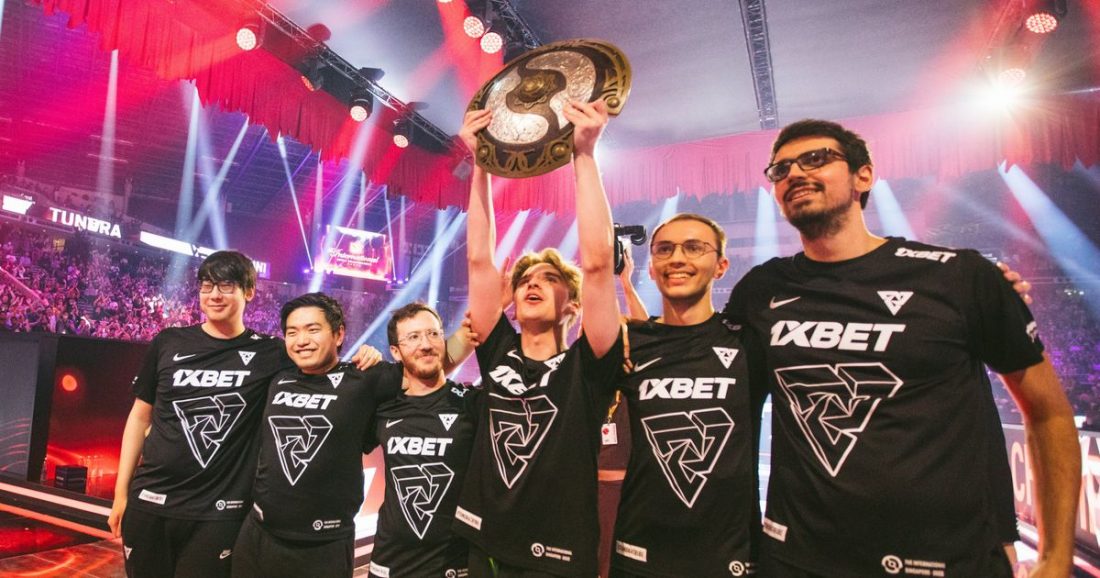
PGL Wallachia Season 8: The Main Dota 2 Test After the End of the DPC Era
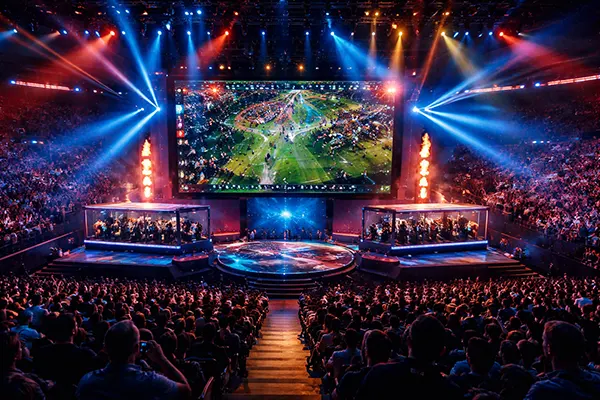
April 2026 has become a turning point for the professional Dota 2 scene, as teams are no longer tied to the rigid DPC structure that defined competitive play for years. PGL Wallachia Season 8 stands out as one of the first large-scale tournaments where new dynamics, roster strategies, and qualification paths are tested in real conditions. This event is not just another competition — it reflects how the ecosystem adapts after Valve’s shift away from the traditional DPC model, offering a clearer view of what the future of Dota 2 esports may look like.
The Post-DPC Landscape: Why Wallachia Season 8 Matters
The removal of the DPC system has fundamentally reshaped how teams approach the competitive calendar. Previously, organisations followed a predictable cycle of regional leagues, majors, and The International qualification. In 2026, that structure has been replaced by a more decentralised tournament ecosystem, where organisers like PGL play a much larger role in defining the competitive rhythm.
PGL Wallachia Season 8 serves as a benchmark event in this new reality. It brings together top-tier teams alongside emerging line-ups that previously struggled to break into DPC divisions. Without rigid slot allocations, invitations and qualifiers now reflect current form rather than seasonal points, which makes the competition more dynamic and less predictable.
For analysts and fans, this tournament offers a rare opportunity to evaluate how stable top teams really are without the DPC safety net. It also highlights whether consistency or short-term peak performance becomes more valuable in a fragmented competitive environment.
New Qualification Logic and Its Impact on Teams
One of the most noticeable changes is the qualification process. Instead of accumulating points across months, teams now rely on open qualifiers, direct invites, and performance in recent tournaments. This increases volatility, as even well-established organisations must constantly prove their level.
For Tier 2 teams, this shift creates real opportunities. In previous seasons, climbing the DPC ladder required time and stability, often favouring organisations with long-term backing. Now, a strong qualifier run or a standout performance in a single event can secure participation in major tournaments like Wallachia.
At the same time, the pressure on top teams has increased. Without guaranteed placements, roster changes and strategic decisions carry higher risks. Wallachia Season 8 demonstrates how quickly rankings can shift when every event directly affects visibility and future invitations.
Meta Evolution and Strategic Diversity in April 2026
The absence of a centralised league system has also accelerated changes in gameplay. Teams are no longer preparing for a fixed schedule of opponents, which leads to a broader range of strategies and drafting approaches. Wallachia Season 8 reflects this diversity, with noticeable differences between regions and playstyles.
Patch updates in early 2026 have further contributed to this evolution. Adjustments to map control, economy scaling, and hero balance have shifted the focus towards flexible drafting and mid-game decision-making. Teams that adapt quickly to these changes gain a significant advantage in tournament settings.
Another key trend is the reduced reliance on rigid roles. Players are increasingly expected to switch responsibilities depending on the draft, which makes coordination and communication even more critical. This is particularly visible in Wallachia, where unconventional picks and lane setups appear more frequently than in previous DPC seasons.
Key Tactical Trends Observed at Wallachia
One of the dominant patterns is the emphasis on tempo control. Teams prioritise heroes that can secure early objectives while maintaining scalability into the late game. This reduces the risk of falling behind in unpredictable matchups, especially in best-of-three series.
Vision control has also become more nuanced. Instead of static warding patterns, teams adapt their map presence dynamically, often using smoke movements and aggressive positioning to deny information rather than simply gather it.
Finally, drafting flexibility stands out as a decisive factor. Teams that can disguise their strategies until the final picks tend to outperform more predictable opponents. Wallachia Season 8 clearly shows that adaptability, rather than strict adherence to meta templates, defines success in the current competitive environment.

What Wallachia Season 8 Reveals About the Future of Dota 2 Esports
The broader significance of this tournament lies in how it reflects the direction of the entire scene. Without the DPC framework, tournament organisers now shape the competitive narrative, and events like Wallachia become central reference points for rankings and reputation.
This shift also affects audience engagement. With more independent tournaments, fans are exposed to a wider variety of matchups and storylines. Wallachia Season 8 benefits from this by featuring unexpected clashes between regions that rarely met under the old system.
From a business perspective, the decentralised model introduces both opportunities and challenges. While organisers gain flexibility, teams must navigate a more complex schedule, balancing participation, travel, and performance without a fixed seasonal structure.
Long-Term Implications for Teams and Tournament Organisers
In the long term, consistency may be redefined. Instead of maintaining performance across a full DPC season, teams will need to deliver results in multiple independent events throughout the year. This could favour organisations with deeper rosters and stronger analytical support.
For tournament organisers, the responsibility of maintaining competitive integrity becomes more significant. Without a unified system, ensuring fair invitations, transparent qualifiers, and balanced formats is essential for credibility and audience trust.
Wallachia Season 8 acts as an early indicator of how these factors interact. It shows that while the post-DPC era introduces uncertainty, it also creates a more open and competitive ecosystem where performance is continuously tested rather than predetermined by seasonal structures.